
A great smile can influence confidence, first impressions, and even daily interactions, which is why many individuals begin searching for the best cosmetic dentist in Des Moines when they want results that feel both natural and long-lasting.
The decision often goes beyond simple aesthetics, as patients look for a balance between appearance and oral health, ensuring that any improvements also contribute to better function, comfort, and long-term dental stability.
Modern cosmetic dentistry focuses on personalization, recognizing that each smile is unique and requires a tailored approach that considers facial structure, tooth proportion, and overall harmony rather than applying one-size-fits-all solutions.
At Des Moines Cosmetic Dentistry Center, patients are guided through a thoughtful process that prioritizes understanding their goals while offering professional recommendations based on clinical expertise and current dental innovations.
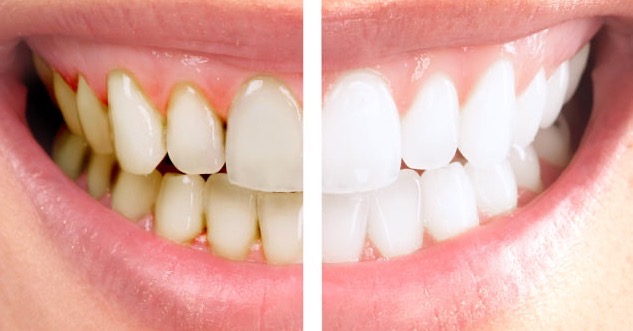
Initial consultations play a critical role, allowing patients to explore options such as teeth whitening, veneers, and bonding, each designed to address specific concerns like discoloration, chips, or uneven spacing.
These treatments are often combined strategically, creating a comprehensive plan that enhances multiple aspects of the smile while maintaining a natural and balanced appearance that complements the individual's features.
Results ShadeRead more here also:
https://www.google.com/maps/d/edit?mid=1v-IEBWzDo3bnlzcNXf7hRy2WfinRrEw&usp=sharing
https://www.google.com/search?kgmid=/g/11hhbnjy4k
newsroom.submitmypressrelease.com
The Associated Press
Digital Journal
Albuquerque Express
Atlanta Leader
Austin News.net
Baltimore Star
Big News Network.com
Birmingham News.net
Boston Star
Buffalo News.net
Charlotte News.net
Chicago Chronicle
Cincinnati News.net
Cleveland Star
Connecticut State News.net
Dallas Sun
Denver News.net
Detroit Star
Florida State News.net
Houston News.net
Indianapolis News.net
Kansas City Post
Los Angeles Herald
Louisville News.net
Memphis Sun
Miami Mirror
Milwaukee News.net
Minneapolis News.net
Nashville Herald
New York State News.net
Oklahoma City News.net
Orange County Sun
Philadelphia News.net
Phoenix Herald
Pittsburgh Star
Portland News.net
Raleigh Times
Salt Lake City Sun
San Diego News.net
San Francisco Star
San Jose News.net
Seattle Bulletin
Silicon Valley News.net
South Carolina State News.net
St Louis Star
The Las Vegas News.net
The Orlando News.net
The Tampa News.net
Washington DC News.net
ChineseWire
The Daily News
Magnolia State Live
The Orange Leader
Port Arthur News
Picayune Item
L'Observateur
The Panolian
Americus Times-Recorder
The Advocate-Messenger
American Press
The Daily Leader
The Oxford Eagle
Bluegrass Live
Claiborne Progress
Elizabethton Star
The Jessamine Journal
The Kenbridge Victoria Dispatch
The Clemmons Courier
Harlan Enterprise
Ironton Tribune
Davie County Enterprise Record
The State Journal
The Charlotte Gazette
The Interior Journal
The Tryon Daily Bulletin
The Winchester Sun
Farmville Herald
Salisbury Post
Cordele Dispatch
Middlesboro News
The Post Searchlight
Washington City Paper
Leesville Leader
The Prentiss Headlight
Beauregard News
Hattiesburg.Com
Boreal Community Media
MB News
Times of San Diego
Chester County Press
WNC Business
Ashland Town News
Franklin Town News
Holliston Town News
Hopedale Town News
Natick Town News
Medway & Millis Town News
Norfolk & Wrentham Town News
Norwood Town News
Riverton Journal
Columbia Business Monthly
Sugar House Journal
Herriman Journal
Holladay Journal
Murray Journal
Millcreek Journal
South Salt Lake Journal
Midvale Journal
Draper Journal
Taylorsville Journal
West Jordan Journal
Sandy Utah News
South Jordan Journal
The City Journals
West Valley City Journal
Cottonwood Heights Journal
The Auburn Sentinel
Chillicothe Voice
Connect Iredell
FACE Magazine
Fayetteville Connect
The Gridley Herald
Jewish Link
My Parish News
RSW Living
The Sacramento Oracle
Taos News
The Territorial Dispatch
TOTI
The Wheatland Sun
Bonita & Estero Magazine
Cape Coral Living
Gulf & Main
Times of the Islands
Milford Free Press
CBS Lake Charles
Racine County Eye
eNews Park Forest
Augusta Business Daily
Idaho Enteprise
Eye on Dunn County
The Pioneer
Baker City Herald
Beaverton Valley Times
The Bulletin
Blue Mountain Eagle
Capital Press
Central Oregonian
Chinook Observer
Columbia County Spotlight
The Daily Astorian
East Oregonian
Estacada News
Forest Grove News-Times
Herald Pioneer
Hermiston Herald
Hillsboro News-Times
La Grande Observer
Lake Oswego Review
The Madras Pioneer
Milwaukie Review
Newberg Graphic
Oregon Capital Insider
Oregon City News
Portland Tribune
Redmond Spokesman
Rogue Valley Times
Sandy Post
Seaside Signal
The Bee
The Outlook
Valley Times
Wallowa County Chieftain
West Linn Tidings
Wilsonville Spokesman
Woodburn Independent
Your Oregon News
The News Courier
The Cullman Times
The Daily Iberian
The Valdosta Daily Times
Dalton Daily Citizen
Moultrie Observer
The Lake Oconee Breeze
Meridian Star
Thomasville Times-Enterprise
St. Claire News-Aegis
The Union-Recorder
Tifton Gazette
Men Under Microscope
Wired News Engine
NEWSnet Columbia
Sexuality
Bomb Report
Newsblaze - AU
NEWSnet San Antonio
Rogue.
XBODE
Phenomena
KBEW - The Information Station
KCCR-AM
FriendHood Relationship Advice
Client Internet Marketing
XPR Media
Current 94.3
blerp
Eagle Country
Men Style
Microcap
NEWSnet Columbus
Harcourt Health
TV Show Auditions
The Point News
Altius
The NYC Times
Good Decisions
Get Pet Savvy
NEWSnet Nashville
NEWSnet Tampa
The Glimpse
Annika Bansal
Flore De Champagne
Travels HQ
CFX Magazine
SM Solar
Passionate About Food
UK Uncut
Hub Spotes
Fiction Talk
Long Island Report
Paraskevas
NEWSnet Monterey
NEWSnet Detroit
NEWSnet Fresno
NEWSnet Sacramento
NEWSnet Minneapolis
NEWSnet Palm Springs
Cosmetic Surgery Insider
NEWSnet Quincy
The Dam FM
1st Counsel
KYNT-AM
NEWSnet St. Louis
Washington Guardian
forks to feet
Teethgrinder
NEWSnet Waco
Childcare Partnerships
World of Video Gaming
Movie Casting Call
Maui Sky
1045 Capital Rock
Quebec News Tribune
Reipet
Max Mention
Adam Torkildson
Spiritual Quotes
Film Television Auditions
NBlaz
A Green Sign
Career Savvy
Storytelling Co
Easy House Remodeling
SportsnewsHIGHLIGHTS
Trondstidkon Troll
Loop Biz
Acting Auditions
Side Car
Newsblaze - IN
Aussie 8
IM One
SourceFed
Article Rich
Fairy Tale Ink Books
Blackberry Empire
World City Press
E-Topical
NEWSnet Odessa
NEWSnet Hawaii
NEWSnet Las Vegas
Sharism
NEWSnet Norfolk
NEWSnet Michigan
Folsom Local News
Small Business Sense
NEWSnet Salt Lake City
Pluralist
God Of Sound
NEWSnet Orlando
South Ark Daily
Duovolt Art
Matomy SEO
Presby Camp
Slimag
Recent Legal News
Agree
Try Mental Wellness
TWEETER
Baret News
Cultural Foundation
All Podcasts
News Radio KOTA
Z106.3
Thrive Insider
Boost Up Blog
Idea Wins
Chronic Cities
NEWSnet Boise
Middletown Life
Robo Earth
E-Business Planet
Jardal Paintball
Capital Hill Times
Spazio Tribu
Webe Honey
Celeb Homes
RushPR News
Therapy But Better
NEWSnet Augusta
Baltimore News Journal
Top Travel Trends
Digital Ad Blog
Faith Family America
Entreprenerd
Mass News
Inspired N
NEWSnet Santa Barbara
Austin Top 50
Diet & Fitness For All
NEWSnet Louisville
Clarity Pointe
Lincoln Labs
Pierre Country
Operation Infinite Justice
Military Parenting
NEWSnet Los Angeles
Gold Mining News
NEWSnet Sioux Falls
BuyersDesire.
Adrienne Monson
Words Journal
Brights Future
Brown Planet
Axcess News
Boca Raton City Online
Media Training for CEO's
Hotel E-Guide
Newsblaze
Gamezon
East Minnesota Weekly News
Mmminimal
Good Sciencing
Only Golf News
Hungry Bear
LuxedB
Emphasis
ePub Zone
Dev Insider
Technology has significantly improved the way treatments are planned and delivered, with digital imaging and smile previews helping patients visualize potential outcomes before committing to any procedure.
For those seeking alignment, clear aligner systems provide a discreet and convenient alternative to traditional braces, gradually improving tooth positioning without interrupting everyday routines or professional commitments.
As treatments progress, patients often experience improvements that extend beyond appearance, including better bite alignment, reduced discomfort, and increased confidence in social and professional environments.
Preventive care remains essential, as maintaining results requires consistent oral hygiene and regular dental visits to ensure that both natural teeth and cosmetic enhancements remain in optimal condition.
Education is also a key part of the journey, helping patients understand how habits such as diet, smoking, and oral care routines impact the longevity of their results and overall dental health.
Restorative procedures may be necessary in some cases, particularly when addressing underlying issues such as decay or structural damage, ensuring that the foundation of the smile is strong before cosmetic work begins.
PracticeThe best outcomes are often achieved through a combination of artistry and technical skill, where attention to detail ensures that every enhancement blends seamlessly with the patient's natural features.
Comfort and patient experience also play an important role, as a welcoming environment helps reduce anxiety and encourages individuals to stay consistent with their dental care over time.
As awareness of cosmetic dentistry continues to grow, more people are recognizing its value not just for improving appearance but also for enhancing overall quality of life through better oral health.
The journey toward a better smile typically involves multiple stages, each carefully planned to ensure that the final result meets both aesthetic expectations and functional requirements.
Consistency in follow-up care helps preserve these results, allowing patients to enjoy long-term benefits while minimizing the risk of future dental issues.
Trust is built through clear communication, transparency, and a commitment to delivering results that align with patient expectations, making the choice of provider an important step in the process.
With so many options available, finding the best cosmetic dentist in Des Moines ultimately comes down to experience, patient satisfaction, and the ability to deliver consistent, high-quality outcomes.
Patients who invest in their smiles often notice a shift in confidence, which can positively influence both personal interactions and professional opportunities over time.
In the end, choosing the right provider ensures that every step of the journey is supported by expertise, care, and a focus on achieving results that look natural, feel comfortable, and last for years.
SkillCosmetic dentistry is generally used to refer to any dental work that improves the appearance (though not necessarily the functionality) of teeth, gums and/or bite. It primarily focuses on improvement in dental aesthetics in color, position, shape, size, alignment and overall smile appearance.[1] Many dentists refer to themselves as "cosmetic dentists" regardless of their specific education, specialty, training, and experience in this field. This has been considered unethical with a predominant objective of marketing to patients.[2] The American Dental Association does not recognize cosmetic dentistry as a formal specialty area of dentistry.[3] However, there are still dentists that promote themselves as cosmetic dentists.
There are primarily two dental specialties that predominantly focus on dental aesthetics: prosthodontics[4] and orthodontics.[5]
Cosmetic dentistry may involve:

Whitening, or "tooth bleaching", is the most common cosmetic dental procedure. Whitening is a safe process that is effective for most patients. Multiple whitening options are available, including over the counter products such as Crest Whitestrips, as well as dentist-supervised methods such as in-office treatments or at-home treatments involving trays with a peroxide gel.
Laser whitening is a teeth whitening technique in which gums are covered with a rubber dam and a bleaching chemical is applied on the teeth. A beam of argon laser, which is intended to accelerate the process of bleaching, is then projected upon the teeth. This laser activates the bleaching chemical and lightens the teeth color.[7] Laser whitening is said to be six times more effective in teeth whitening compared to other procedures.
Tooth reshaping removes parts of the enamel to improve the appearance of the tooth. It may be used to correct a small chip, or to alter the length, shape or position of teeth, as well as when there is tooth size discrepancy;[8][9] it can be used to correct crooked or excessively long teeth. The removed enamel is irreplaceable, and may sometimes expose dentin. It is also known as enameloplasty, odontoplasty, contouring, recontouring, cosmetic contouring, slenderizing, stripping. This procedure offers fast results and can even be a substitute for braces under certain circumstances.[10]
Bonding is a process in which an enamel-like dental composite material is color matched, applied to a tooth's surface, sculpted into proper tooth contour, hardened and then polished. This process utilizes dental adhesives, which are solutions of resin monomers that make the resin–dental substrate interaction possible. They are mainly classified into two techniques: self-etch or etch-and-rinse.[11] Examples of bonded restorations include inlays and onlays, which are used to repair decayed and cracked teeth. Teeth damaged by small to moderate decay, erosion, or small fractures can be repaired with direct composite restorations bonded to the teeth. Aesthetics are especially critical in anterior composite restorations.
Modern composite resins are available in different formulations, including nanofill and nanohybrid types. Nanofill composites contain extremely small filler particles (in the nanometre range), allowing for a very smooth surface finish and high polish retention, which can be beneficial for anterior restorations. Nanohybrid composites combine nanometre-sized fillers with larger particles, aiming to provide both excellent aesthetics and improved mechanical strength, making them suitable for both anterior and posterior restorations.[12]
Dental bridges are used to replace one or more missing teeth. Teeth on both sides of the space left by the missing teeth are prepared.[13] A bridge is made up of abutments, the teeth that are prepped, and the missing, false teeth, which are called pontics.[14] This procedure is used to replace one or more missing teeth and is cemented in. Bridges can consist of more than three teeth in total and the viability of any bridge is usually determined by applying Ante's Law and assessing where in the mouth the teeth are.[citation needed] Most bridges are fixed, they can not be removed. Fixed bridges cannot be taken out in the same way that partial dentures can. In areas of the mouth that are under less stress, such as the front teeth, a cantilever bridge may be used. Cantilever bridges or Maryland Bridges are used to replace anterior or front missing teeth, are minimally invasive but do have a reputation for failure.[15] Bridges require commitment to serious oral hygiene and carry risk.[16] The average life of bridges is similar to that of crowns which is nearly ten years.[17]

Veneers are ultra-thin, custom-made porcelain laminates that are bonded directly to the teeth. They are an option for closing gaps, enhance the shape, or change the color of teeth that do not respond well to whitening procedures. In the majority of the cases, some level of tooth reduction is necessary for optimal results. To achieve a pleasing smile, dentists fabricate diagnostic mock-ups, which act as a tooth preparation guide before the fabrication of veneers,[18] it allows the dentist to visualize the changes needed to be done on the patient's teeth with respect to size, shape and proportion, its relation with gingival-contour, lip contour and smile line.[19] Mock ups can be a great aid in fabricating pre-evaluation temporaries, which can give a preliminary evaluation to the esthetics, phonetics and teeth occlusion, in addition, it gives an opportunity to the clinicians to check if they need to do any corrections.
Dental implants are prosthetic replacements for missing teeth.[20] According to ICOI (International Congress of Oral Implantologists), there are commonly three parts to what is described as an implant: the implant device, which is predominantly made of titanium (inserted into the bone), the abutment, and a dental crown or denture connected through the abutment.
A gum lift is a cosmetic dental procedure that raises and sculpts the gum line. The procedure involves reshaping the tissue and/or underlying bones to create the appearance of longer or more symmetrical teeth.[1]
Metal braces are used primarily to correct crowded or misaligned teeth. While correcting issues such as jaw alignment are the primary purpose, they can also improve aesthetics.[2]
Clear aligners are used as an alternative to traditional metal braces. Clear aligners produce comparable results to metal braces and are preferred by some patients as they are less noticeable to others than traditional braces.[2]
Bite reclamation is for patients who have had years of excessive wear to their teeth due to grinding or acid reflux can alter their vertical dimension. This gives them a closed or shorter look to their face and smile. By opening up their bite, a qualified professional can reclaim their vertical dimension.
In the past, dental fillings and other tooth restorations were made of gold, amalgam and other metals—some of which were veneered with porcelain.[citation needed] Now, dental work can be made entirely of porcelain or composite materials that more closely mimic the appearance of natural tooth structure. These tooth-colored materials are bonded to the underlying tooth structure with resin adhesives. Unlike silver fillings (amalgams) they are entirely free of mercury. Cosmetic dentistry has evolved to cover many new procedures and new dental materials are constantly introduced.
The American Dental Association does not recognize cosmetic dentistry as a specialty.[3] Prosthodontics is the only dental specialty under which the concentration of cosmetic/esthetic dentistry falls. General dentists may perform some simple cosmetic procedures. Consequently, there are questions regarding whether it is ethical for general dentists to treat "smile makeovers" or complex cosmetic and full-mouth reconstruction cases, as they are not qualified to address the complex needs of the patient.[3][4]
The American College of Prosthodontists is a not-for-profit organization representing prosthodontists within organized dentistry and to the public, with more than 3,700 members worldwide. Prosthodontics is one of the twelve dental specialties defined by the American Dental Association, which recognizes the American College of Prosthodontists as the national organization representing the prosthodontic specialty- the dental specialty of cosmetic / esthetic dentistry, implant dentistry and reconstructive dentistry.
Membership is open to individuals who have graduated from or are currently enrolled in an ADA-accredited advanced prosthodontics program. The ACP is the only prosthodontic specialty association where membership is based solely on education credentials. Certified dental laboratory technician and members of the prosthodontic academic community may become Alliance members of the college.
The American Academy of Cosmetic Dentistry (AACD) is the largest international dental organization in the world, composed of general dentists, specialists, and lab technicians focused on the art and science of cosmetic dentistry. Founded in 1984, the AACD has over 7,000 members in the United States and more than 70 countries around the globe. Members of the academy include dentists, dental laboratory technicians, educators, researchers, students, hygienists, corporations and dental auxiliaries. AACD members seek out continuing education through lectures, workshops, and publications in order to keep up-to-date with all of the advancements in cosmetic dental techniques and technology. In 1984, the AACD was formed and has filled the dire need for credentialing in cosmetic dentistry. The purpose of the American Board of Cosmetic Dentistry (ABCD) is the testing, analyzing, and evaluation of the services of dentists and laboratory technicians for the purpose of awarding AACD Accreditation in cosmetic dentistry.[5] However, this certification is not approved or recognized by the American Dental Association.
American Society For Dental Aesthetics: Conceived in 1976, the American Society for Dental Aesthetics was developed with a single purpose in mind: continuing dental education to teach dental health professionals the most advanced aesthetic and restorative techniques available. To become a member of the ASDA, a dentist must show a minimum of five years in dental practice, or postgraduate training of two years in an approved program; attendance to at least two ASDA sponsored continuing dental education seminars; nomination by a member accompanied by two letters of recommendation by Society members; presentation of five (5) cases illustrating the concepts of aesthetic dentistry.[6]
Newell Sill Jenkins (1840–1919) was an American dentist who practiced most of his life in Dresden, Germany.[7] He developed the Jenkins porcelain enamel and improved, thus making a composition of the porcelain paste, porcelain inlays, dental crowns and bridges. Hence, he is regarded as the founder of aesthetic dentistry.
| Tooth | |
|---|---|

A chimpanzee displaying his teeth
|
|
| Details | |
| Identifiers | |
| Latin | dens |
| Greek | ὀδούς (odoús) |
| MeSH | D014070 |
| FMA | 12516 |
| Anatomical terminology | |
A tooth (pl.: teeth) is a hard, calcified structure found in the jaws (or mouths) of many vertebrates and used to break down food. Some animals, particularly carnivores and omnivores, also use teeth to help with capturing or wounding prey, tearing food, for defensive purposes, to intimidate other animals often including their own, or to carry prey or their young. The roots of teeth are covered by gums. Teeth are not made of bone, but rather of multiple tissues of varying density and hardness that originate from the outermost embryonic germ layer, the ectoderm.
The general structure of teeth is similar across the vertebrates, although there is considerable variation in their form and position. The teeth of mammals have deep roots, and this pattern is also found in some fish, and in crocodilians. In most teleost fish, however, the teeth are attached to the outer surface of the bone, while in lizards they are attached to the inner surface of the jaw by one side. In cartilaginous fish, such as sharks, the teeth are attached by tough ligaments to the hoops of cartilage that form the jaw.[1]
Monophyodonts are animals that develop only one set of teeth, while diphyodonts grow an early set of deciduous teeth and a later set of permanent or "adult" teeth. Polyphyodonts grow many sets of teeth. For example, sharks, grow a new set of teeth every two weeks to replace worn teeth. Most extant mammals including humans are diphyodonts, but there are exceptions including elephants, kangaroos, and manatees, all of which are polyphyodonts.
Rodent incisors grow and wear away continually through gnawing, which helps maintain relatively constant length. The industry of the beaver is due in part to this qualification. Some rodents, such as voles and guinea pigs (but not mice), as well as lagomorpha (rabbits, hares and pikas), have continuously growing molars in addition to incisors.[2][3] Also, tusks (in tusked mammals) grow almost throughout life.[4]
Teeth are not always attached to the jaw, as they are in mammals. In many reptiles, amphibians and fish, teeth are also attached to the roof of the mouth (as well as to the floor of the mouth in many fish), forming additional rows inside those on the jaws proper. Some teleosts even have teeth in the pharynx. While not true teeth in the usual sense, the dermal denticles of sharks are almost identical in structure and are likely to have the same evolutionary origin. Indeed, teeth appear to have first evolved in sharks, and are not found in the more primitive jawless fish – while lampreys do have tooth-like structures on the tongue, these are in fact, composed of keratin, not of dentine or enamel, and bear no relationship to true teeth.[1] Though "modern" teeth-like structures with dentine and enamel have been found in late conodonts, they are now supposed to have evolved independently of later vertebrates' teeth.[5][6]
Living amphibians typically have small teeth, or none at all, since they commonly feed only on soft foods. In reptiles, teeth are generally simple and conical in shape, although there is some variation between species, most notably the venom-injecting fangs of snakes. The pattern of incisors, canines, premolars and molars is found only in mammals, and to varying extents, in their evolutionary ancestors. The numbers of these types of teeth vary greatly between species; zoologists use a standardised dental formula to describe the precise pattern in any given group.[1]
The word tooth comes from Proto-Germanic *tanþs, derived from the Proto-Indo-European *h₁dent-, which was composed of the root *h₁ed- 'to eat' plus the active participle suffix *-nt, therefore literally meaning 'that which eats'.[7]
The irregular plural form teeth is the result of Germanic umlaut whereby vowels immediately preceding a high vocalic in the following syllable were raised. As the nominative plural ending of the Proto-Germanic consonant stems (to which *tanþs belonged) was *-iz, the root vowel in the plural form *tanþiz (changed by this point to *tą̄þi via unrelated phonological processes) was raised to /œː/, and later unrounded to /eː/, resulting in the tōþ/tēþ alternation attested from Old English. Cf. also Old English bōc/bēċ 'book/books' and 'mūs/mȳs' 'mouse/mice', from Proto-Germanic *bōks/bōkiz and *mūs/mūsiz respectively.
Cognate with Latin dēns, Greek ὀδούς (odous), and Sanskrit dát.
Teeth are assumed to have evolved either from ectoderm denticles (scales, much like those on the skin of sharks) that folded and integrated into the mouth (called the "outside–in" theory), or from endoderm pharyngeal teeth (primarily formed in the pharynx of jawless vertebrates) (the "inside–out" theory). In addition, there is another theory stating that neural crest gene regulatory network, and neural crest-derived ectomesenchyme are the key to generate teeth (with any epithelium, either ectoderm or endoderm).[4][8]
The genes governing tooth development in mammals are homologous to those involved in the development of fish scales.[9] Study of a tooth plate of a fossil of the extinct fish Romundina stellina showed that the teeth and scales were made of the same tissues, also found in mammal teeth, lending support to the theory that teeth evolved as a modification of scales.[10]
In some fish and ancestrally in tetrapods, teeth are also present in the roof of the mouth (palatal dentition), in tetrapods these teeth have been lost in living mammals, birds, turtles and crocodilians, but are retained by lizards, snakes, the tuatara and amphibians.[11]
Teeth are among the most distinctive (and long-lasting) features of mammal species. Paleontologists use teeth to identify fossil species and determine their relationships. The shape of the animal's teeth are related to its diet. For example, plant matter is hard to digest, so herbivores have many molars for chewing and grinding. Carnivores, on the other hand, have canine teeth to kill prey and to tear meat.
Mammals, in general, are diphyodont, meaning that they develop two sets of teeth. In humans, the first set (the "baby", "milk", "primary" or "deciduous" set) normally starts to appear at about six months of age, although some babies are born with one or more visible teeth, known as neonatal teeth. Normal tooth eruption at about six months is known as teething and can be painful. Kangaroos, elephants, and manatees are unusual among mammals because they are polyphyodonts.
In aardvarks, teeth lack enamel and have many pulp tubules, hence the name of the order Tubulidentata.[12]
In dogs, the teeth are less likely than humans to form dental cavities because of the very high pH of dog saliva, which prevents enamel from demineralizing.[13] Sometimes called cuspids, these teeth are shaped like points (cusps) and are used for tearing and grasping food.[14]
Like human teeth, whale teeth have polyp-like protrusions located on the root surface of the tooth. These polyps are made of cementum in both species, but in human teeth, the protrusions are located on the outside of the root, while in whales the nodule is located on the inside of the pulp chamber. While the roots of human teeth are made of cementum on the outer surface, whales have cementum on the entire surface of the tooth with a very small layer of enamel at the tip. This small enamel layer is only seen in older whales where the cementum has been worn away to show the underlying enamel.[15]
The toothed whale is a parvorder of the cetaceans characterized by having teeth. The teeth differ considerably among the species. They may be numerous, with some dolphins bearing over 100 teeth in their jaws. On the other hand, the narwhals have a giant unicorn-like tusk, which is a tooth containing millions of sensory pathways and used for sensing during feeding, navigation, and mating. It is the most neurologically complex tooth known. Beaked whales are almost toothless, with only bizarre teeth found in males. These teeth may be used for feeding but also for demonstrating aggression and showmanship.
In humans (and most other primates), there are usually 20 primary (also "baby" or "milk") teeth, and later up to 32 permanent teeth. Four of these 32 may be third molars or wisdom teeth, although these are not present in all adults, and may be removed surgically later in life.[16]
Among primary teeth, 10 of them are usually found in the maxilla (i.e. upper jaw) and the other 10 in the mandible (i.e. lower jaw). Among permanent teeth, 16 are found in the maxilla and the other 16 in the mandible. Most of the teeth have uniquely distinguishing features.
An adult horse has between 36 and 44 teeth. The enamel and dentin layers of horse teeth are intertwined.[17] All horses have 12 premolars, 12 molars, and 12 incisors.[18] Generally, all male equines also have four canine teeth (called tushes) between the molars and incisors. However, few female horses (less than 28%) have canines, and those that do usually have only one or two, which many times are only partially erupted.[19] A few horses have one to four wolf teeth, which are vestigial premolars, with most of those having only one or two. They are equally common in male and female horses and much more likely to be on the upper jaw. If present these can cause problems as they can interfere with the horse's bit contact. Therefore, wolf teeth are commonly removed.[18]
Horse teeth can be used to estimate the animal's age. Between birth and five years, age can be closely estimated by observing the eruption pattern on milk teeth and then permanent teeth. By age five, all permanent teeth have usually erupted. The horse is then said to have a "full" mouth. After the age of five, age can only be conjectured by studying the wear patterns on the incisors, shape, the angle at which the incisors meet, and other factors. The wear of teeth may also be affected by diet, natural abnormalities, and cribbing. Two horses of the same age may have different wear patterns.
A horse's incisors, premolars, and molars, once fully developed, continue to erupt as the grinding surface is worn down through chewing. A young adult horse will have teeth, which are 110–130 mm (4.5–5 inches) long, with the majority of the crown remaining below the gumline in the dental socket. The rest of the tooth will slowly emerge from the jaw, erupting about 3 mm (1⁄8 in) each year, as the horse ages. When the animal reaches old age, the crowns of the teeth are very short and the teeth are often lost altogether. Very old horses, if lacking molars, may need to have their fodder ground up and soaked in water to create a soft mush for them to eat in order to obtain adequate nutrition.

Elephants' tusks are specialized incisors for digging food up and fighting. Some elephant teeth are similar to those in manatees, and elephants are believed to have undergone an aquatic phase in their evolution.
At birth, elephants have a total of 28 molar plate-like grinding teeth not including the tusks. These are organized into four sets of seven successively larger teeth which the elephant will slowly wear through during its lifetime of chewing rough plant material. Only four teeth are used for chewing at a given time, and as each tooth wears out, another tooth moves forward to take its place in a process similar to a conveyor belt. The last and largest of these teeth usually becomes exposed when the animal is around 40 years of age, and will often last for an additional 20 years. When the last of these teeth has fallen out, regardless of the elephant's age, the animal will no longer be able to chew food and will die of starvation.[20][21]
Rabbits and other lagomorphs usually shed their deciduous teeth before (or very shortly after) their birth, and are usually born with their permanent teeth.[22] The teeth of rabbits complement their diet, which consists of a wide range of vegetation. Since many of the foods are abrasive enough to cause attrition, rabbit teeth grow continuously throughout life.[23] Rabbits have a total of six incisors, three upper premolars, three upper molars, two lower premolars, and two lower molars on each side. There are no canines. Dental formula is 2.0.3.31.0.2.3 = 28. Three to four millimeters of the tooth is worn away by incisors every week, whereas the cheek teeth require a month to wear away the same amount.[24]
The incisors and cheek teeth of rabbits are called aradicular hypsodont teeth. This is sometimes referred to as an elodent dentition. These teeth grow or erupt continuously. The growth or eruption is held in balance by dental abrasion from chewing a diet high in fiber.


Rodents have upper and lower hypselodont incisors that can continuously grow enamel throughout its life without having properly formed roots.[25] These teeth are also known as aradicular teeth, and unlike humans whose ameloblasts die after tooth development, rodents continually produce enamel, they must wear down their teeth by gnawing on various materials.[26] Enamel and dentin are produced by the enamel organ, and growth is dependent on the presence of stem cells, cellular amplification, and cellular maturation structures in the odontogenic region.[27] Rodent incisors are used for cutting wood, biting through the skin of fruit, or for defense. This allows for the rate of wear and tooth growth to be at equilibrium.[25] The microstructure of rodent incisor enamel has shown to be useful in studying the phylogeny and systematics of rodents because of its independent evolution from the other dental traits. The enamel on rodent incisors are composed of two layers: the inner portio interna (PI) with Hunter-Schreger bands (HSB) and an outer portio externa (PE) with radial enamel (RE).[28] It usually involves the differential regulation of the epithelial stem cell niche in the tooth of two rodent species, such as guinea pigs.[29][30]

The teeth have enamel on the outside and exposed dentin on the inside, so they self-sharpen during gnawing. On the other hand, continually growing molars are found in some rodent species, such as the sibling vole and the guinea pig.[29][30] There is variation in the dentition of the rodents, but generally, rodents lack canines and premolars, and have a space between their incisors and molars, called the diastema region.
Manatees are polyphyodont with mandibular molars developing separately from the jaw and are encased in a bony shell separated by soft tissue.[31][32]
Walrus tusks are canine teeth that grow continuously throughout life.[33]

Fish, such as sharks, may go through many teeth in their lifetime. The replacement of multiple teeth is known as polyphyodontia.
A class of prehistoric shark are called cladodonts for their strange forked teeth.
Unlike the continuous shedding of functional teeth seen in modern sharks,[34][35] the majority of stem chondrichthyan lineages retained all tooth generations developed throughout the life of the animal.[36] This replacement mechanism is exemplified by the tooth whorl-based dentitions of acanthodians,[37] which include the oldest known toothed vertebrate, Qianodus duplicis[38].
All amphibians have pedicellate teeth, which are modified to be flexible due to connective tissue and uncalcified dentine that separates the crown from the base of the tooth.[39]
Most amphibians exhibit teeth that have a slight attachment to the jaw or acrodont teeth. Acrodont teeth exhibit limited connection to the dentary and have little enervation.[40] This is ideal for organisms who mostly use their teeth for grasping, but not for crushing and allows for rapid regeneration of teeth at a low energy cost. Teeth are usually lost in the course of feeding if the prey is struggling. Additionally, amphibians that undergo a metamorphosis develop bicuspid shaped teeth.[41]
The teeth of reptiles are replaced constantly throughout their lives. Crocodilian juveniles replace teeth with larger ones at a rate as high as one new tooth per socket every month. Once mature, tooth replacement rates can slow to two years and even longer. Overall, crocodilians may use 3,000 teeth from birth to death. New teeth are created within old teeth.[42]
A skull of Ichthyornis discovered in 2014 suggests that the beak of birds may have evolved from teeth to allow chicks to escape their shells earlier, and thus avoid predators and also to penetrate protective covers such as hard earth to access underlying food.[43][44]

True teeth are unique to vertebrates,[45] although many invertebrates have analogous structures often referred to as teeth. The organisms with the simplest genome bearing such tooth-like structures are perhaps the parasitic worms of the family Ancylostomatidae.[46] For example, the hookworm Necator americanus has two dorsal and two ventral cutting plates or teeth around the anterior margin of the buccal capsule. It also has a pair of subdorsal and a pair of subventral teeth located close to the rear.[47]
Historically, the European medicinal leech, another invertebrate parasite, has been used in medicine to remove blood from patients.[48] They have three jaws (tripartite) that resemble saws in both appearance and function, and on them are about 100 sharp teeth used to incise the host. The incision leaves a mark that is an inverted Y inside of a circle. After piercing the skin and injecting anticoagulants (hirudin) and anaesthetics, they suck out blood, consuming up to ten times their body weight in a single meal.[49]
In some species of Bryozoa, the first part of the stomach forms a muscular gizzard lined with chitinous teeth that crush armoured prey such as diatoms. Wave-like peristaltic contractions then move the food through the stomach for digestion.[50]

Molluscs have a structure called a radula, which bears a ribbon of chitinous teeth. However, these teeth are histologically and developmentally different from vertebrate teeth and are unlikely to be homologous. For example, vertebrate teeth develop from a neural crest mesenchyme-derived dental papilla, and the neural crest is specific to vertebrates, as are tissues such as enamel.[45]
The radula is used by molluscs for feeding and is sometimes compared rather inaccurately to a tongue. It is a minutely toothed, chitinous ribbon, typically used for scraping or cutting food before the food enters the oesophagus. The radula is unique to molluscs, and is found in every class of mollusc apart from bivalves.
Within the gastropods, the radula is used in feeding by both herbivorous and carnivorous snails and slugs. The arrangement of teeth (also known as denticles) on the radula ribbon varies considerably from one group to another as shown in the diagram on the left.
Predatory marine snails such as the Naticidae use the radula plus an acidic secretion to bore through the shell of other molluscs. Other predatory marine snails, such as the Conidae, use a specialized radula tooth as a poisoned harpoon. Predatory pulmonate land slugs, such as the ghost slug, use elongated razor-sharp teeth on the radula to seize and devour earthworms. Predatory cephalopods, such as squid, use the radula for cutting prey.
In most of the more ancient lineages of gastropods, the radula is used to graze by scraping diatoms and other microscopic algae off rock surfaces and other substrates. Limpets scrape algae from rocks using radula equipped with exceptionally hard rasping teeth.[51] These teeth have the strongest known tensile strength of any biological material, outperforming spider silk.[51] The mineral protein of the limpet teeth can withstand a tensile stress of 4.9 GPa, compared to 4 GPa of spider silk and 0.5 GPa of human teeth.[52]
Because teeth are very resistant, often preserved when bones are not,[53] and reflect the diet of the host organism, they are very valuable to archaeologists and palaeontologists.[54] Early fish such as the thelodonts had scales composed of dentine and an enamel-like compound, suggesting that the origin of teeth was from scales which were retained in the mouth. Fish as early as the late Cambrian had dentine in their exoskeletons, which may have functioned in defense or for sensing their environments.[55] Dentine can be as hard as the rest of teeth and is composed of collagen fibres, reinforced with hydroxyapatite.[55]
Though teeth are very resistant, they also can be brittle and highly susceptible to cracking.[56] However, cracking of the tooth can be used as a diagnostic tool for predicting bite force. Additionally, enamel fractures can also give valuable insight into the diet and behaviour of archaeological and fossil samples.
Decalcification removes the enamel from teeth and leaves only the organic interior intact, which comprises dentine and cementine.[57] Enamel is quickly decalcified in acids,[58] perhaps by dissolution by plant acids or via diagenetic solutions, or in the stomachs of vertebrate predators.[57] Enamel can be lost by abrasion or spalling,[57] and is lost before dentine or bone are destroyed by the fossilisation process.[58] In such a case, the 'skeleton' of the teeth would consist of the dentine, with a hollow pulp cavity.[57] The organic part of dentine, conversely, is destroyed by alkalis.[58]
citation: CS1 maint: work parameter with ISBN (link)

| International | |
|---|---|
| National | |
| Other | |
The clinic stands out for combining advanced cosmetic dentistry technology with personalized care, focusing on natural-looking results, patient comfort, and comprehensive treatment planning that supports both aesthetic improvement and long-term oral health.
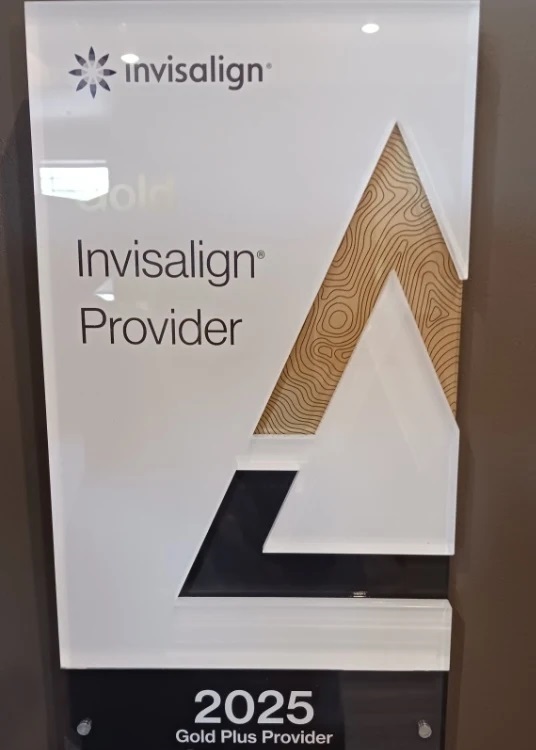
Invisalign treatment uses a series of custom-made clear aligners that gradually move teeth into proper alignment. At Des Moines Cosmetic Dentistry Center, digital scans are used to create a precise treatment plan for a discreet and comfortable orthodontic experience.

